Washing Fabric, part two

Yesterday I wrote about why we
pre-wash our quilt fabric. Today I'm going to show you how I do it. If
you look at the photo from yesterday's post, you'll see a square gallon
jug. That is a jug of Orvus Paste (aka Quilt Soap). It's a sheep
shampoo and I buy mine at Tractor Supply. I've used it for years and
have been very happy with it. I found an informatinve
article at Hart Cottage Quilts.

I
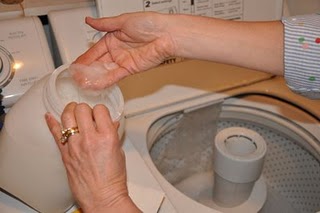
use warm water. It doesn't take much Orvus per washer load. I wet my
hand in the washer water and dip it into the jar and scoop a bit out.
In reading that article I find I should be wearing gloves. Oh well.
WashingFabric-02

As
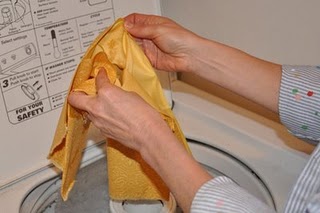
the washer is filling, I grab my fabric with wet hands. It's a real
hassle to unfold fabric and get it in the washer with dry hands. Wet
hands can grasp the fabric better and that saves a lot of time and
energy. As my hands get dry, I stick them back in the washer water –
with the lid up, my washer won't agitate. NEVER stick you hands in a moving washer!!!! (See note below.)
WashingFabric-03 

Once
the washer is done, I pull the fabric out of the washer and put it in
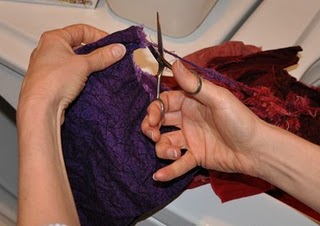
the dryer. I cut the tangle of threads free from the fabric. I view
this as a cost of doing business – it's just part of the process. You
could get creative and do something with these threads. I know I never
will so I throw them away. I've tried all sorts of tricks to cut down
on the threads and none have worked for me. I'm too lazy to serge or
re-cut the edges with a wavy cutter. But that's me – one of those
tricks might work for you.
WashingFabric-04

I dry on warm. Once the fabric is dry I pull it out and fold it. I don't iron fabric until I'm ready to use it in a quilt.

Now – about that note… When
my brother was 4 (I was 8), he had to have surgery. We lived in
Oklahoma City and he went to Children's Hospital there that is
affiliated with the University of Oklahoma medical center. I'll never
forget my mom telling me about a much bigger kid (he was 18 I think)
who was on the same floor with my brother. He had been doing laundry
and he reached into a spinning washer to pull something out. Instead,
he lost an arm and they were doing their best to re-attach it. I don't
think any washers then had the switch that is supposed to stop the
spinning when the lid is up.

I decided to look to see if I could find a reference to this incident online and I didn't find one – but I did find a link to this story dated March 25, 2009. It has happened again! And there are links to even more incidents. So, let me stress this again – NEVER reach into a moving washing machine!

I
really thought that all washers came with the safety
switch that stopped all spinning when the lid was up. Be aware, as I am
now, that they don't all come with that safety feature.

Washing Fabric, part one

I am revisiting an old post.  spend time in every class telling students why I wash my fabric and it seems like a good topic for the blog. So, why wash?

WashingFabric-01

Linda and I always pre-wash our
fabric – meaning that we wash it before we cut it up and use it in a
quilt. Always. We wash in a washer and dry in a dryer.

  1. Cotton
    shrinks when washed and dried. Not all cottons shrink at the same rate.
    For example, a batik shrinks less than most cotton off the bolt. If you
    construct a quilt with batiks and other fabrics, and then wash, your
    quilt can draw up in some areas and not in others. This often looks
    bad. You should also be aware that not all regular printed cottons
    shrink at the same rate either.
  2. Cotton can bleed. It is our
    experience that this is mostly due to water chemistry. Fabric washed in
    one place may bleed and it may not in other places. We think it's much
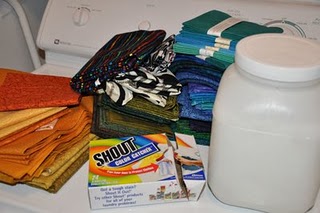
    better to know if there's a issue before you sew a problem fabric into your quilt. FYI – use Synthrapol, Retayne, or the Color Catchers made by Shout to control bleeding.
  3. In
    our opinion, pre-washed cotton behaves better. It tends to fray less
    because it has been pre-shrunk. It has a better hand. We have each used
    starch in the distant past but don't any more because we haven't
    noticed a need to use it.
  4. Pre-washing removes the chemicals
    and finishes from the fabric. Because I know quilters who can't touch
    unwashed fabric, I asked my dermatologist about it. He said that, yes,
    these chemicals can cause problems for some people. He also said that
    some of these chemicals out-gas and that the fumes (that don't bother
    most people) can be a problem. It's also important to remember that
    most of our fabric is imported and that shipping containers are treated
    with insecticides and some of that residue could end up on your fabric.

So that answers the "why" question. Tomorrow I'll answer the "how" question.

In the drawers…

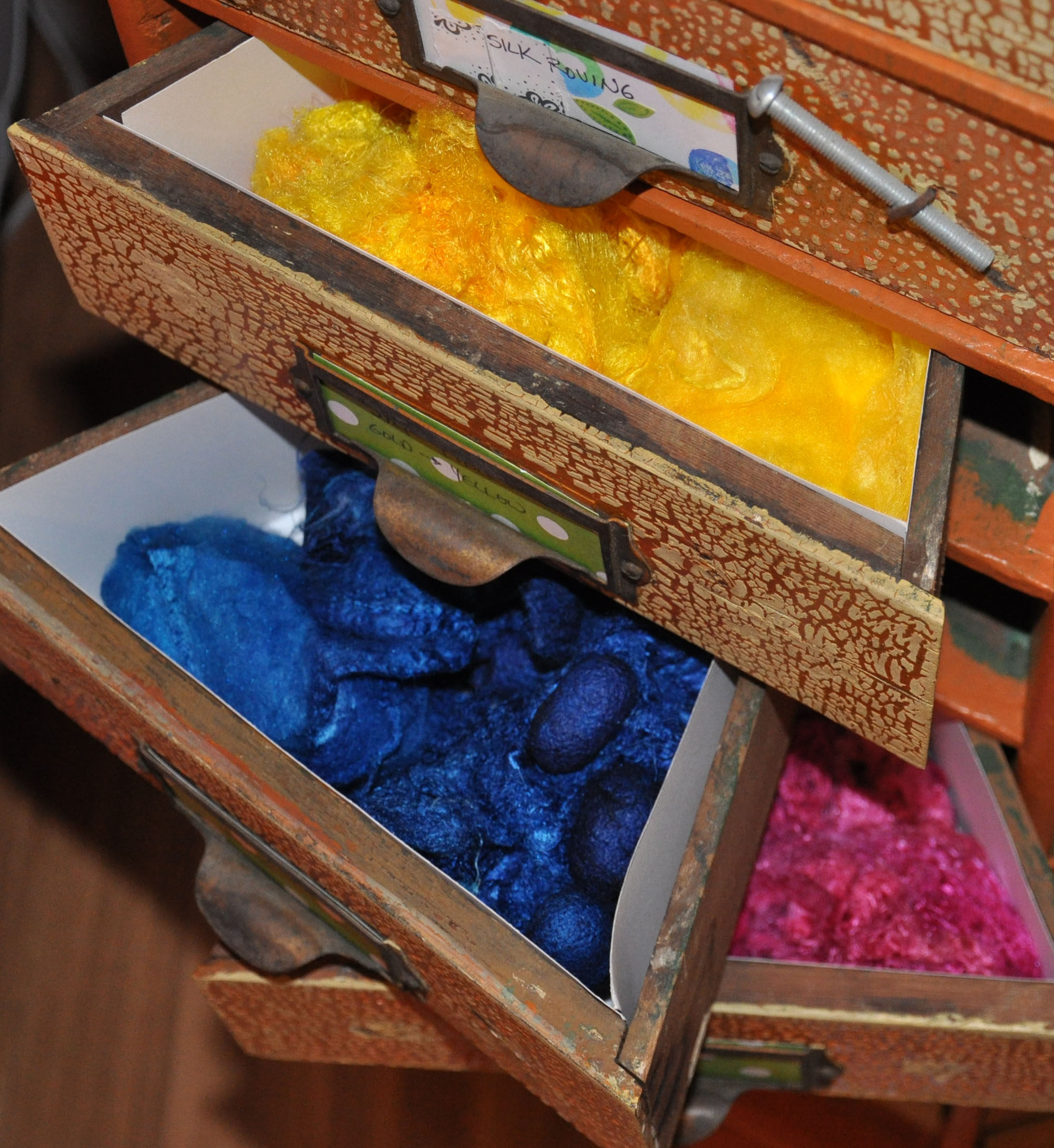
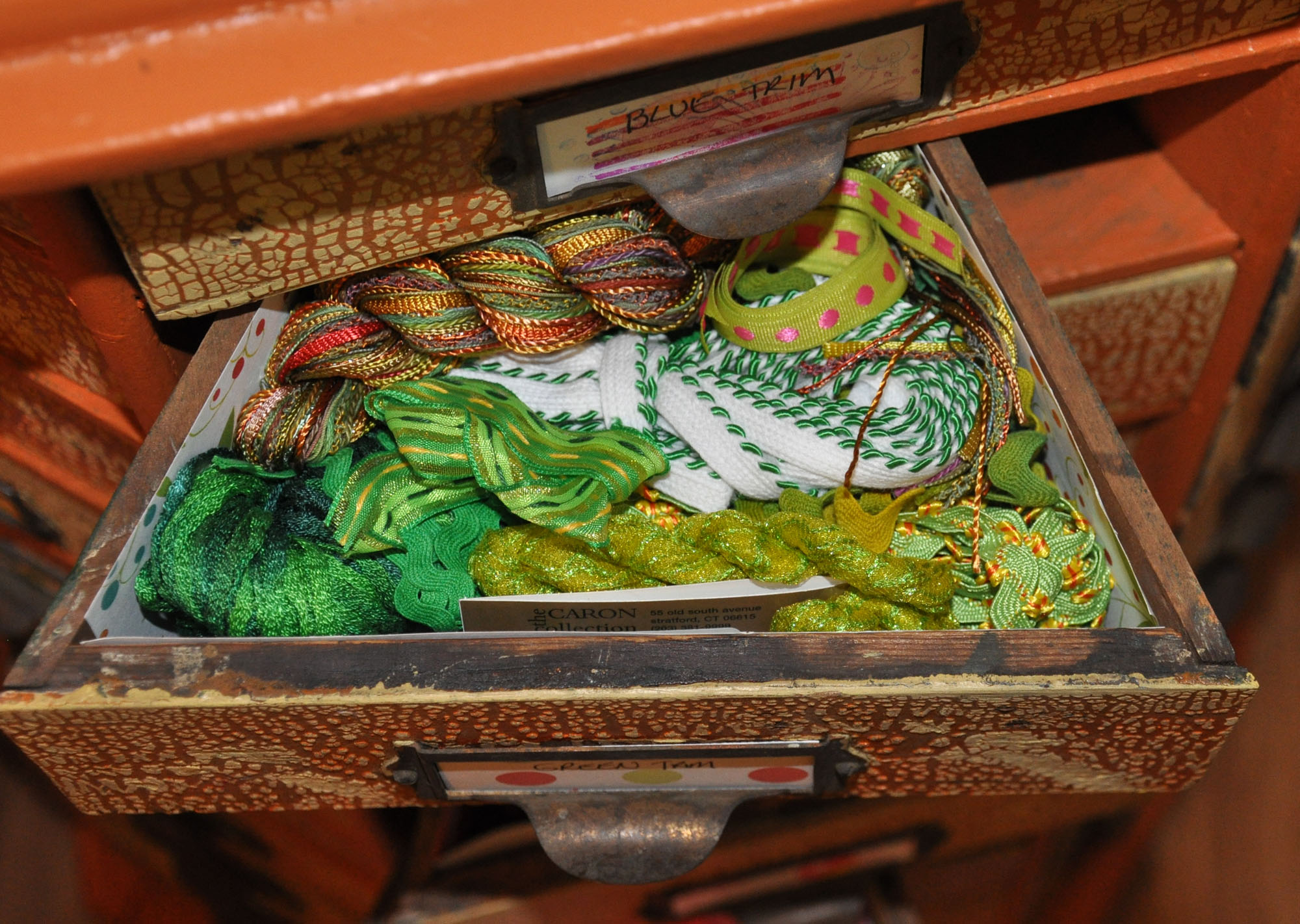
I finally found the time to line the triangular drawers in the parts bin with acid free scrapbooking paper. Once lined, I filled the drawers with all sorts of fun stuff – silk bits, beads, sequins, crafting tools… the list is very long. I labeled the drawers with colorful paper, in my own less-than-perfect
printing. I may go back and do a fancier job, but it's working for now.

InTheDrawers-01

It was nice to fondle some of these fibers that I had forgotten I had. I really am going to have to come up with some projects where I can use this stuff that I can't resist buying.

InTheDrawers-02

Paul and Joanne, in the sun…

It's way cold in Dallas – and quite possibly it's colder where you are. I've been saving this photo of Paul Newman and Joanne Woodward (found on Cup of Jo a while back) to share on just the right day. This is it. 

Paul-newman-joanne-woodward

Or maybe this is a better image (from Weird Friends):

Tumblr_kthxeobfwl1qze9l7o1_500

Old, cool fabric…

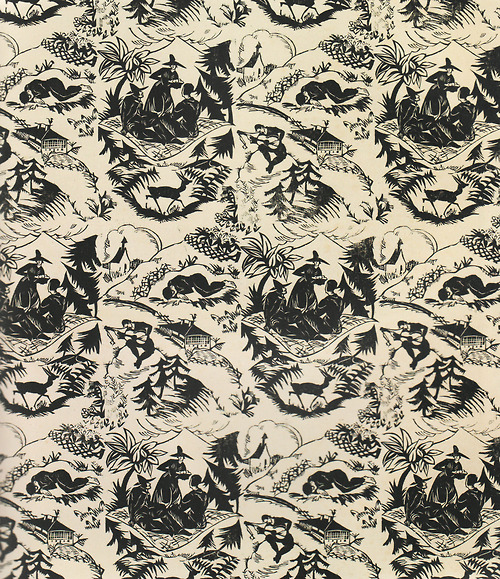
I found this a while back on Weird Friends. I don't know where I'd ever use the fabric but the designs in it are pretty good. Look at the reindeer and some of the tree shapes. They would work well as applique designs.

Tumblr_kvfjbpSEVo1qze9l7o1_500