I am a quilt designer/teacher/author, a wife/mother/grandmother, and certified yoga instructor who is searching for balance, strength, and happiness in all things.
I always thought that sitting quietly composed would leave a better impression than if I were seen sitting chewing gum. Apparently, not so much…
I am currently wearing a dental device that prevents me from chewing gum, not that I chew gum that often. But now I’m more sorry that I can’t chew gum when I’m sitting in an airport, among strangers.
An image on your screen is actually made up of lots and lots of little tiny squares, each one with its own color (a pixel). We don’t see the little squares unless the image is enlarged to the point where it is no longer smooth.
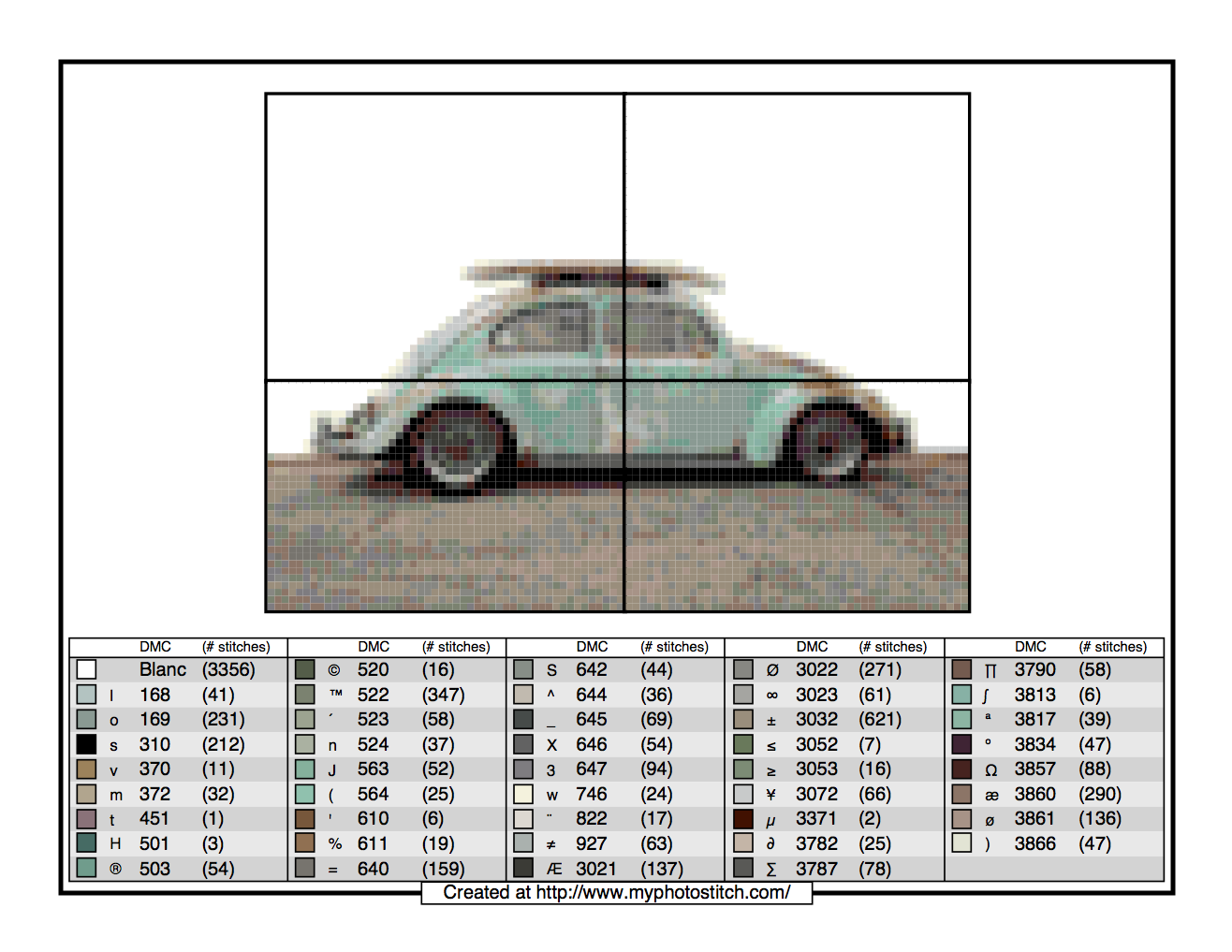
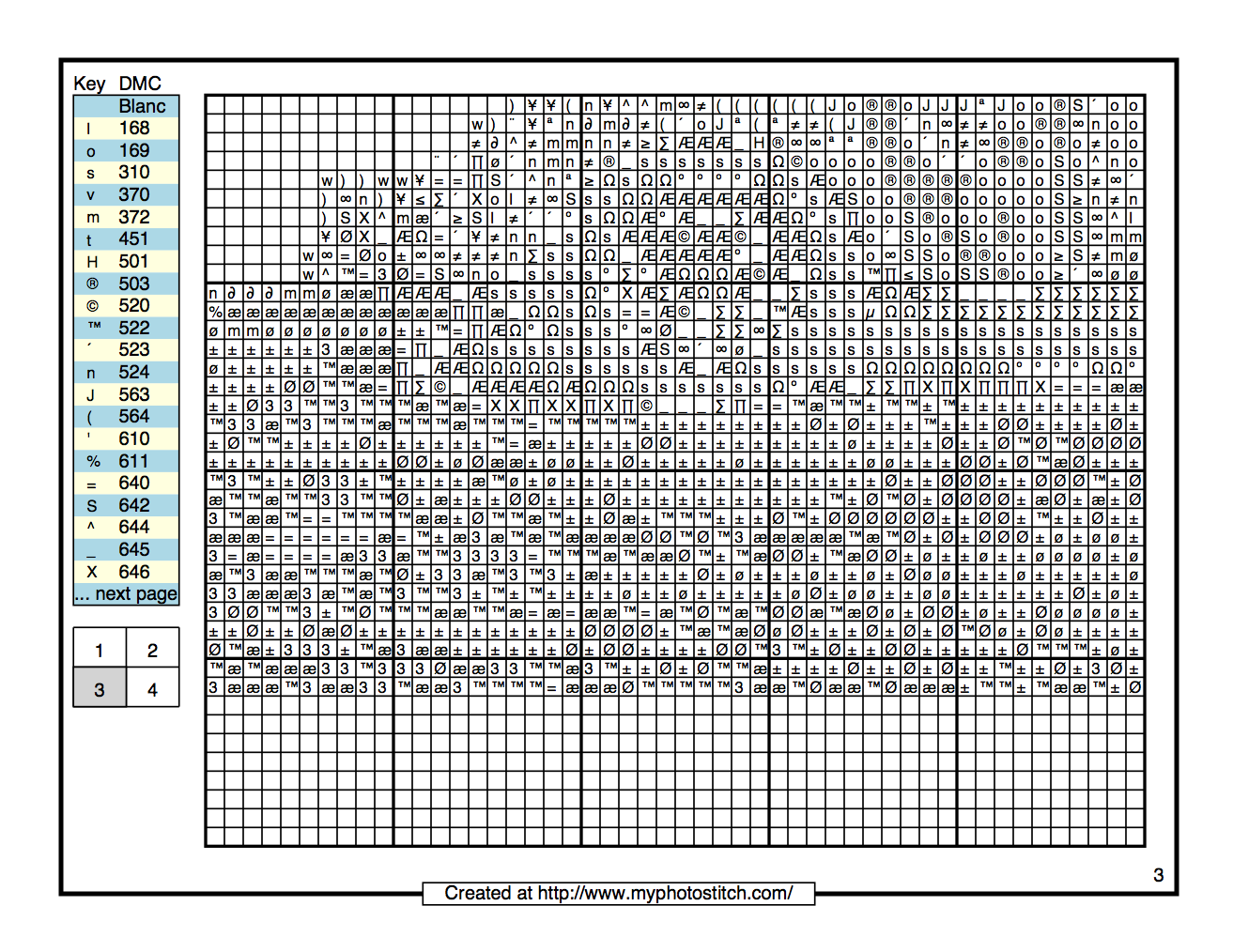
Counted cross-stitched images are created by sewing x-shaped stitches, in specific colors, inside little squares that are formed by the weave of the base cloth. The images are ‘pixelated’ so it makes sense that there is a free tool for cross-stitchers to make a pixelated chart of any image.
Even if you are not a cross-stitcher, this is a cool tool. In fact, it was a quilter in my class last week who shared the site with me (thank you, Lucy!). She is making a quilted portrait of her granddaughter from little squares of fabric that she is coloring with the help of the chart she made on My Photo Stitch.
Here’s how it works: Go to myphotostitch.com and click the try it free button. I used the VW Bug image from last week’s blog post…
How often have you heard that change is good? I have heard it often, and I believe that change really is good. However, no matter how good change may be, it can also be hard because it requires that we do something new.
Doing something new is not as comfortable as doing what you always do and I’m as bad as everyone else in that I like to be comfortable. (It makes you wonder how the phrase “change is good” came to be so widely embraced, doesn’t it?)
It’s probably more accurate to say that “Change is.” Every day presents us with new choices; things do not remain the same and we do have to make choices. The TED talk below by Ruth Chang is about making hard choices. It’s about 15 minutes long and interesting.
I posted another TED talk about choices on June 10. These two talks complement each other: one is about how we handle (or are overwhelmed by) too many choices and the other is about how we decide between tough options.
In my own life, what I have found helpful is the recognition that too many choices are often overwhelming and that limiting options can work for me. I am also happy to be reminded that hard choices are hard specifically because they are not black and white. Deep down, we all know that this is true, but it is easy to get sucked into the notion that we ought to be able to always choose the best option. Sometimes it’s a coin-toss and you are either lucky in your choice, or not.
There are some very well-made, funny, and (sometimes) completely inappropriate videos online. Every now and then I somehow find a good one, and, if I click a little more, I find others. I happened to find myself clicking around on Ad Week yesterday and came upon two videos to share.
The selection, below, has a tiny bit of harsh language—I would not call it inappropriate. Made by Director Alberto Belli, it is a spoof of the movie, Les Misérables, and actress Anne Hathaway’s pursuit of an Oscar nomination. I enjoyed the movie—and I laughed all the way through the spoof!
Alberto Belli also directed what Ad Week called “the funniest fake ad shown at the Cannes Lions Festival this year, It’s Not Porn.” Be warned that this video is full of completely inappropriate adult content! I am assuming that if you watch it, you are doing so because you’re OK with the content. If you do watch it, stick with it all the way to the end—you will be surprised. And, if you are like me, it will make you think about your perception of what constitutes pornography. Context, as they say, is everything.
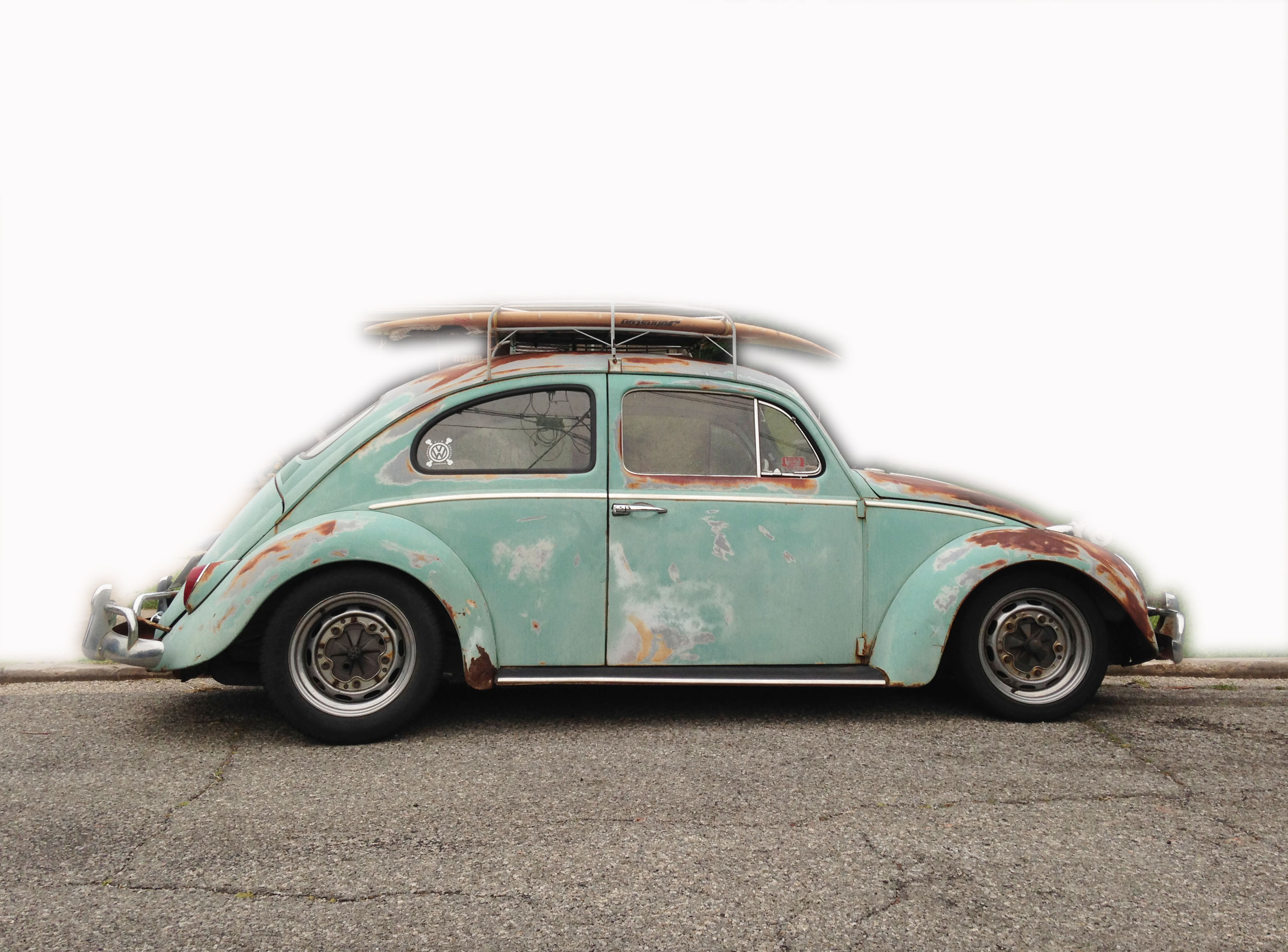
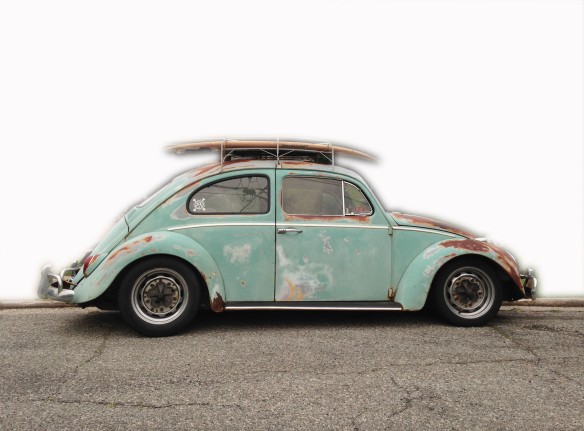
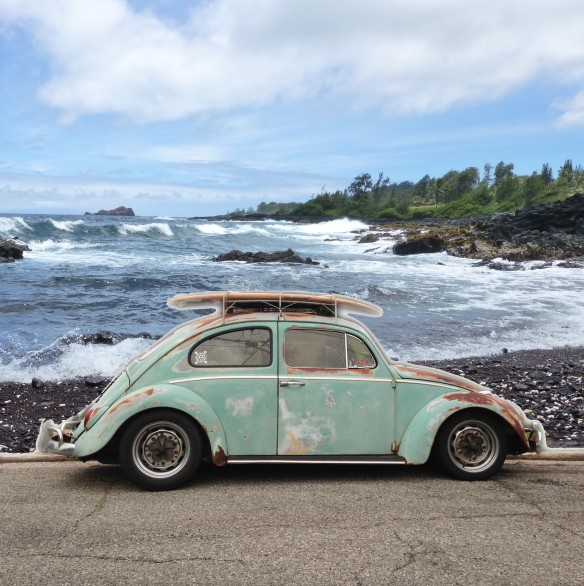
As I was driving home from my morning walk the other morning, I spotted this well-worn VW Bug parked on the street, with a surfboard strapped to its roof! This is not a common sight in land-locked Sherman, TX.
It looked so out of place that I decided to fix it with Photoshop. First I made the background go away. I sort of like the look of it floating on the white background. It’s easy to imagine it being in a snowstorm, except that the pavement is dry.
But the bug w/surfboard needs to be by the ocean…
I tried parking it at more than one beach because, by this time, I was just playing…
I’m resisting to urge to put it in more locales. Seriously, I need to get some work done :-).
Perspective is a technique whereby an artist implies distance on a 2-dimensional surface. This idea did not exist before the Renaissance.
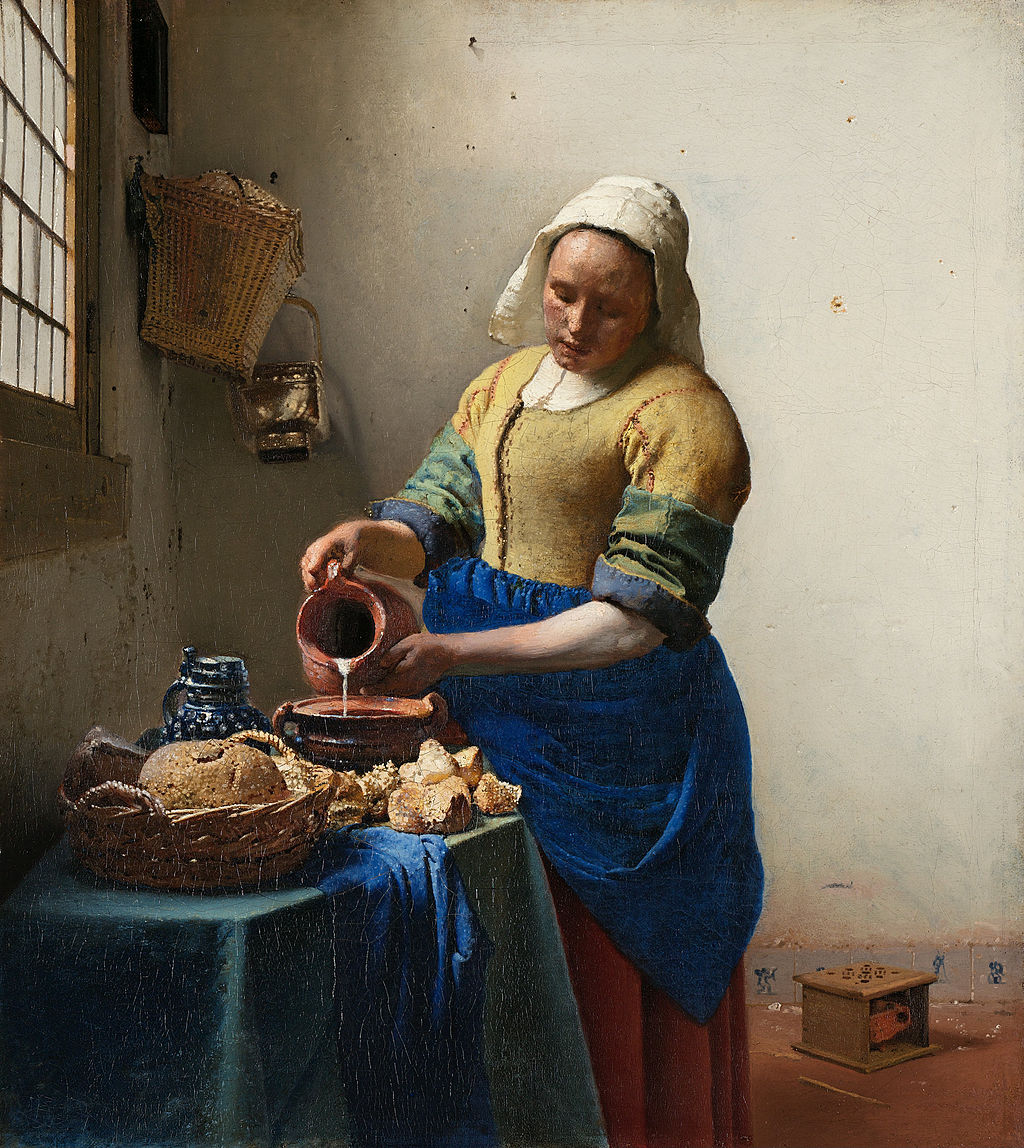
Johannes Vermeer (1632 – 1675) went way beyond getting the perspective right in his paintings. The man was a practically a human camera—painting the image he saw nearly perfectly on canvas as you can see in his painting, The Milkmaid (1658). How on earth did he do that?
Tim Jennison has figured out how Vermeer could have done it. I think that you will enjoy the 10-15 minutes you will spend reading this story. All I can say is that, no matter what, I’m impressed by both Vermeer and Tim Jennison.
Some artists might use the best technology available to them to help them in their art. And it’s good to be reminded that if they do use that technology (the way great artists in the past may have used the best technology of their day), it’s not cheating. That’s a happy thought in our very tech-heavy world.
Here’s a trailer for the documentary, produced by Penn and Teller, that shows Mr. Jennison’s journey. I’m definitely going to have to watch the film.








 Piece O Cake Blog