A new quilt show!

I just returned from Midway, UT, where the very first Small Town Quilt Show – In a big way! was held. Midway is a lovely place; it is only 10 minutes from Park Cities if that helps you to get a fix on it. The event was held at the Zermatt Resort and it’s a place I would happily return to.

I didn’t take pictures of the usual quilt show things because I was too busy either teaching, or shopping, to do that. There was, however, one vendor who had some really fun things made from wool. Yes, I could make these coasters but it was so much nicer to buy them!

woolcoasters

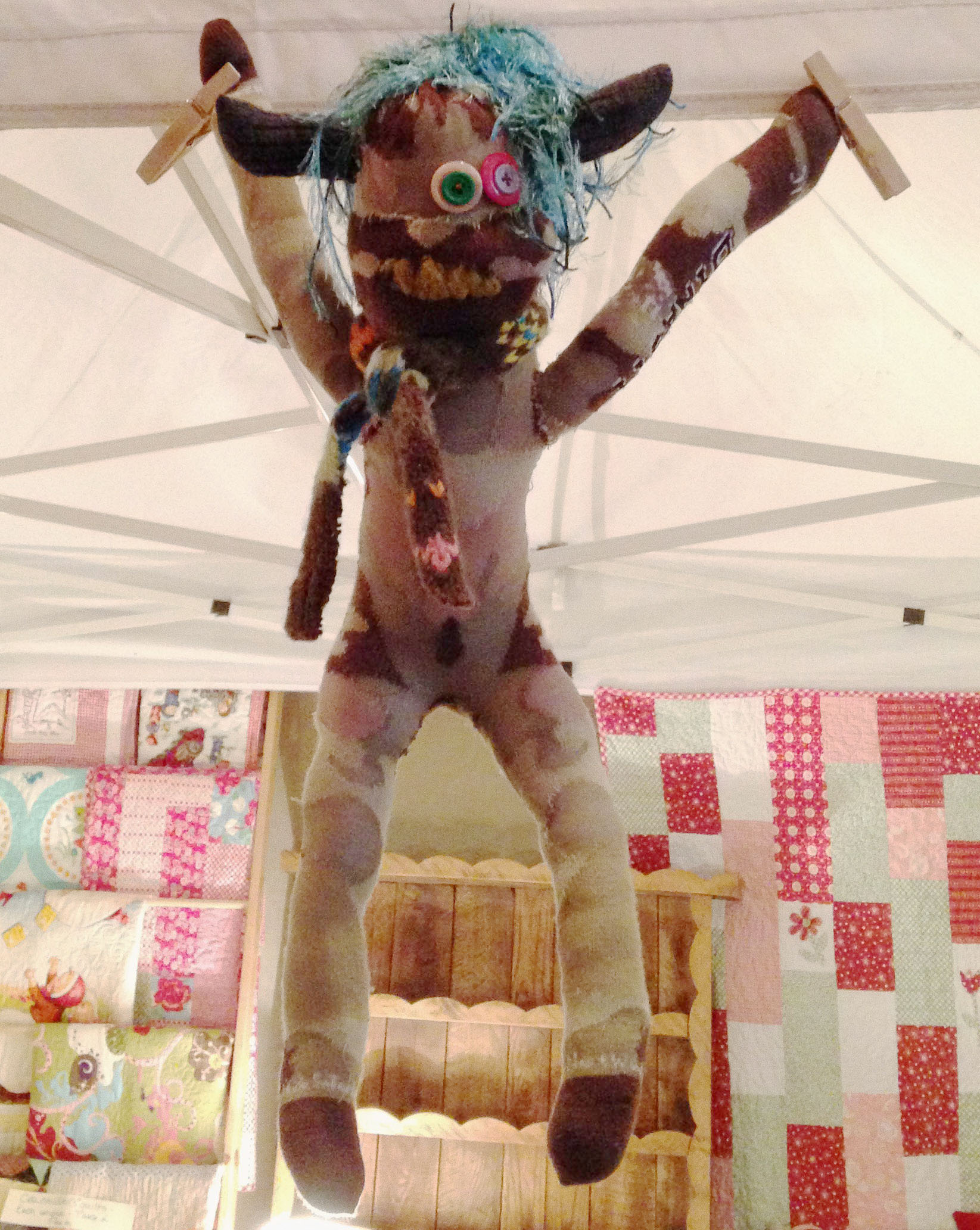
There were some exceedingly cute sock monkeys hanging on the front of the booth (and I wasn’t the only one who thought so). As it turns out they were made by Andrew, the grandson of the lady in charge. Did I get her name? Sigh, I did not. However, the receipt is from Winnie Press. This is Andrew’s very first sock monkey, made when he was 8 or 9…

AndrewsSockMonkey-01 copy copy

He follows his own monkey-making muse, rather than a strict pattern…
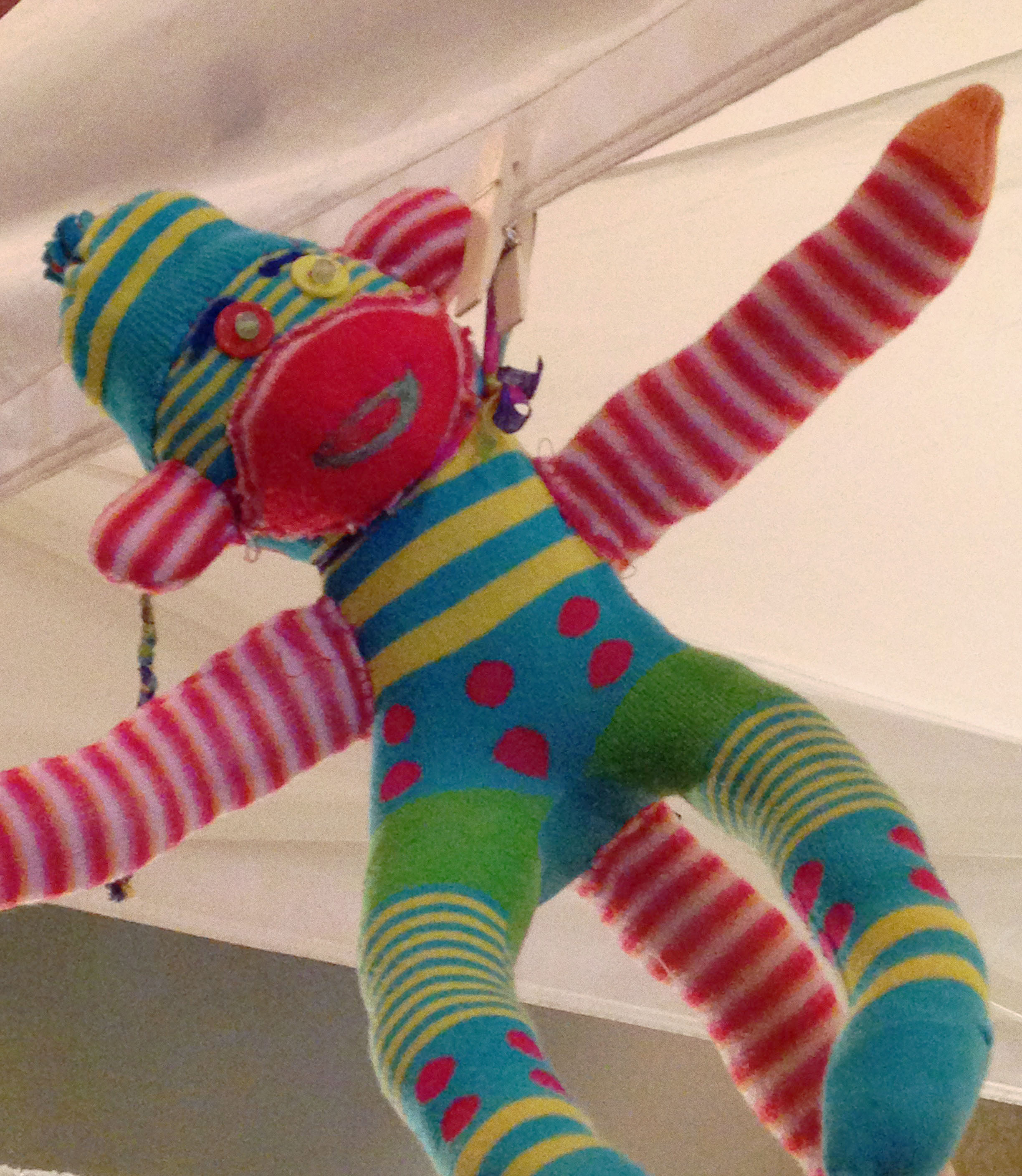
AndrewsSockMonkey-02 copy

The monster was my favorite :-).

AndrewsSockMonkey-03 copy

Andrew is older by a couple of years or so now, and still making monkeys. Honestly, he could go into business… there were a lot of us who would have happily bought one of his creations. Instead, I bought a kit for Jack. He’s 6, and probably a bit young for this. Or not!

 

Pixelate it!

An image on your screen is actually made up of lots and lots of little tiny squares, each one with its own color (a pixel). We don’t see the little squares unless the image is enlarged to the point where it is no longer smooth.

Counted cross-stitched images are created by sewing x-shaped stitches, in specific colors, inside little squares that are formed by the weave of the base cloth. The images are ‘pixelated’ so it makes sense that there is a free tool for cross-stitchers to make a pixelated chart of any image.

Even if you are not a cross-stitcher, this is a cool tool. In fact, it was a quilter in my class last week who shared the site with me (thank you, Lucy!). She is making a quilted portrait of her granddaughter from little squares of fabric that she is coloring with the help of the chart she made on My Photo Stitch.

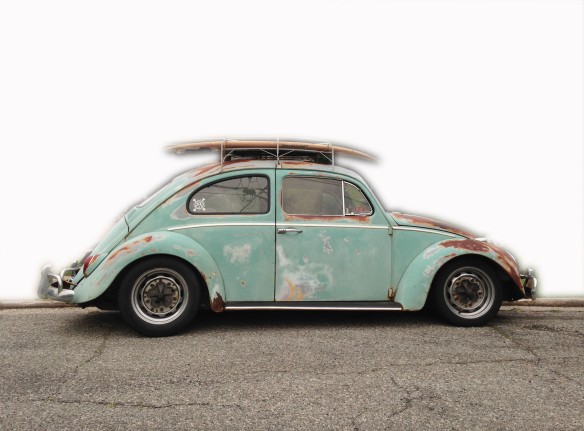
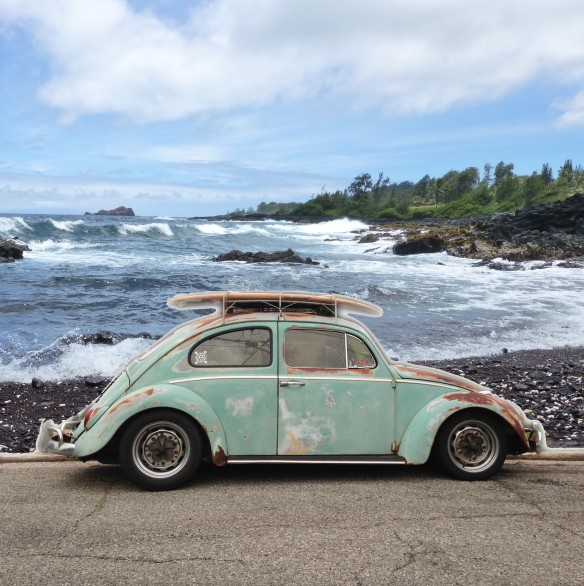
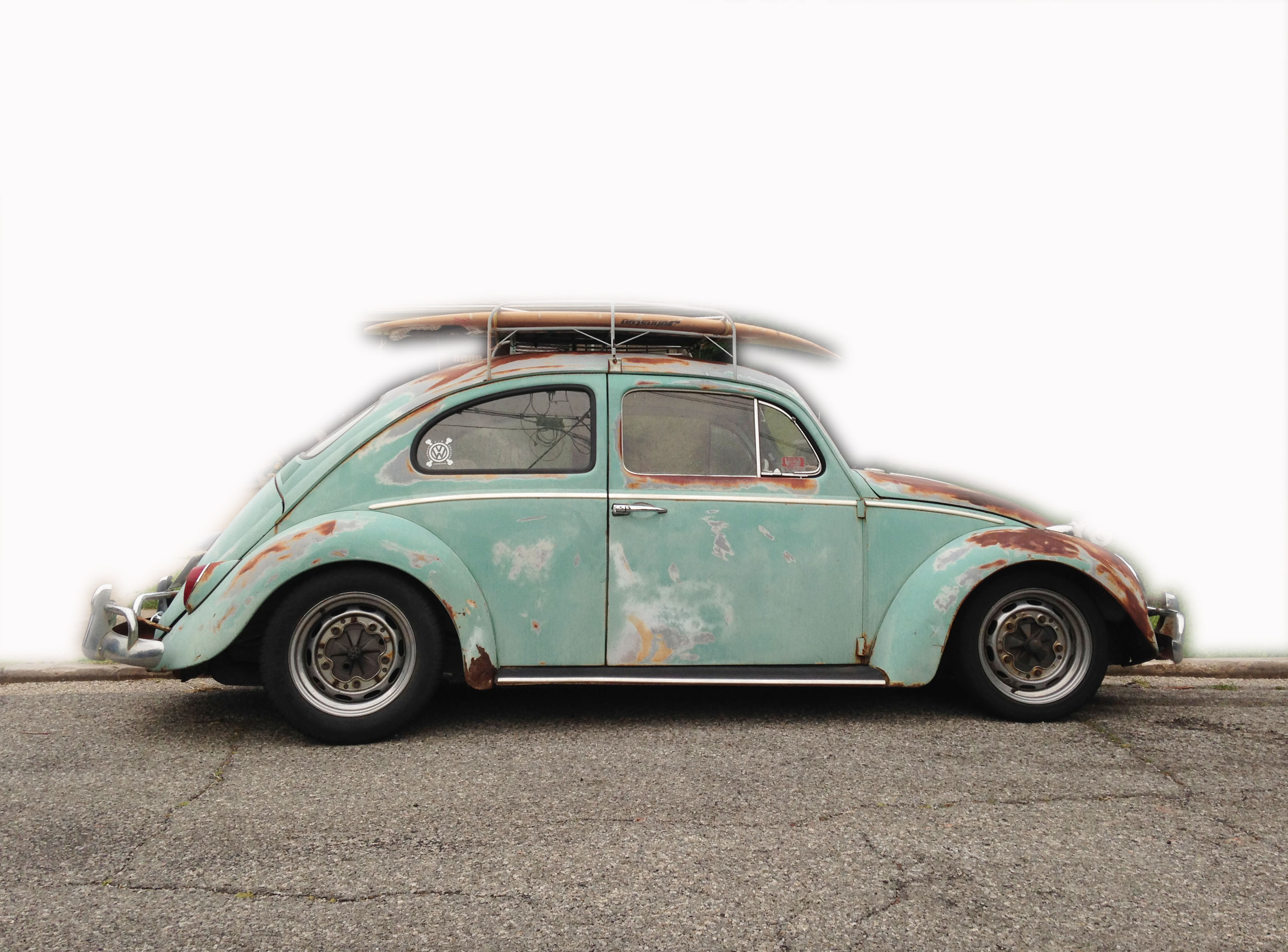
Here’s how it works: Go to myphotostitch.com and click the try it free button. I used the VW Bug image from last week’s blog post…

VWBug-SurfBoard-2

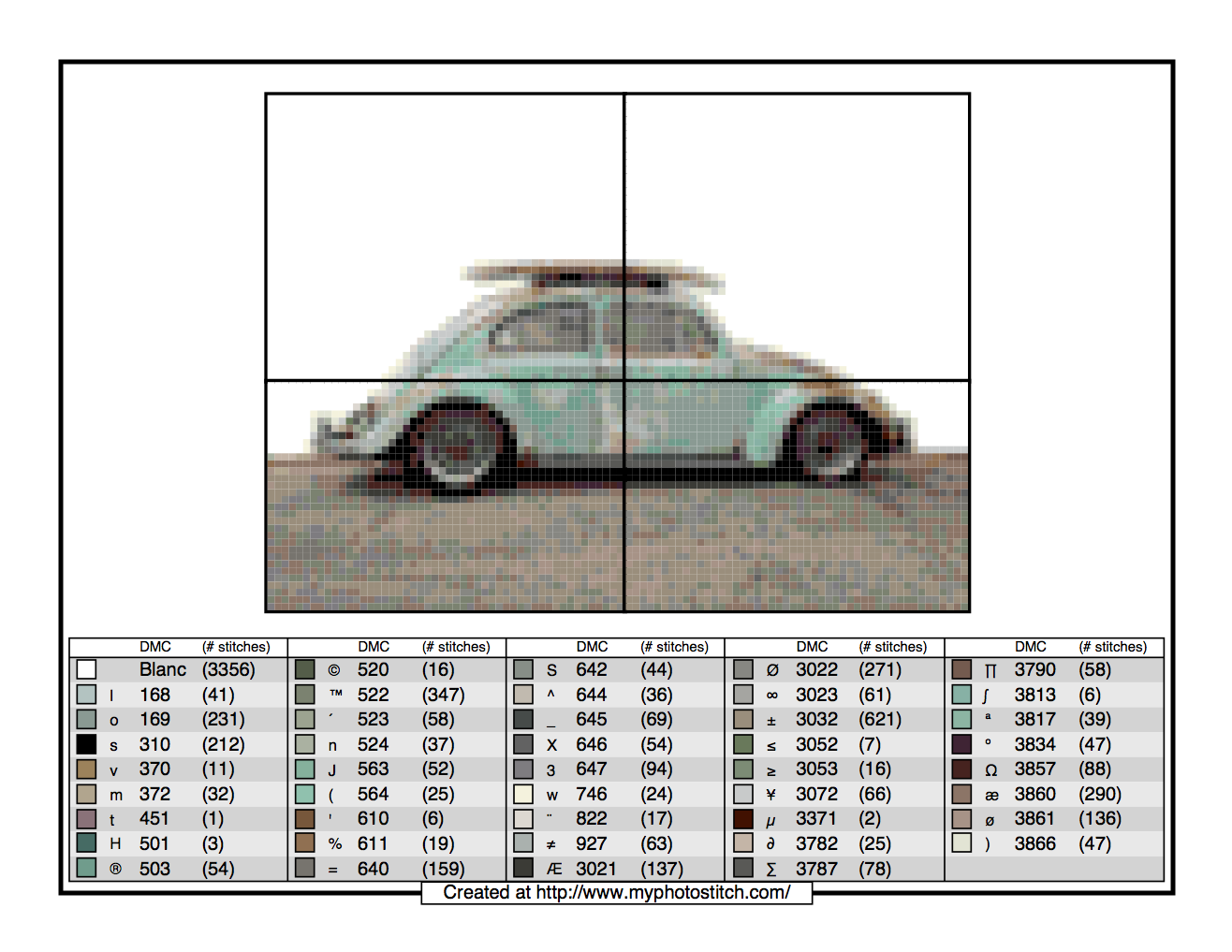
Myphotostitch.com generated the following pattern and thread chart.

Screen Shot 2014-06-20 at 1.27.03 PM

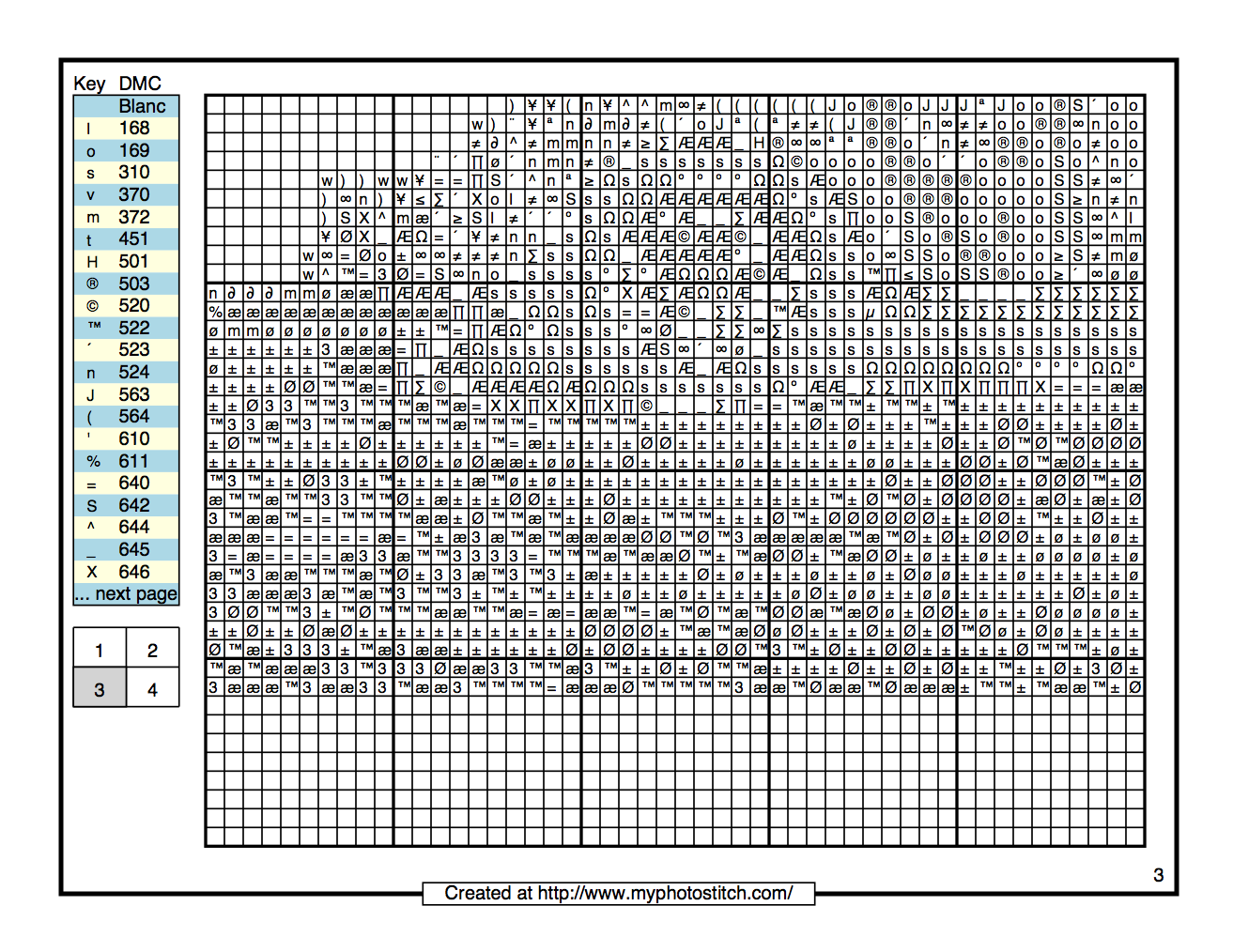
This is one of the pages with 1/4 of the chart, showing where each color goes.

Screen Shot 2014-06-20 at 1.29.48 PM

It’s always nice to find another tool for the toolbox :-).


If only it were this easy to go places…

As I was driving home from my morning walk the other morning, I spotted this well-worn VW Bug parked on the street, with a surfboard strapped to its roof! This is not a common sight in land-locked Sherman, TX.

VWBug-SurfBoard


It looked so out of place that I decided to fix it with Photoshop. First I made the background go away. I sort of like the look of it floating on the white background. It’s easy to imagine it being in a snowstorm, except that the pavement is dry.

VWBug-SurfBoard-2

But the bug w/surfboard needs to be by the ocean…

VWBug-SurfBoard-4

I tried parking it at more than one beach because, by this time, I was just playing…

VWBug-SurfBoard-3

I’m resisting to urge to put it in more locales. Seriously, I need to get some work done :-).


Maybe I could paint that!

Perspective is a technique whereby an artist implies distance on a 2-dimensional surface. This idea did not exist before the Renaissance.

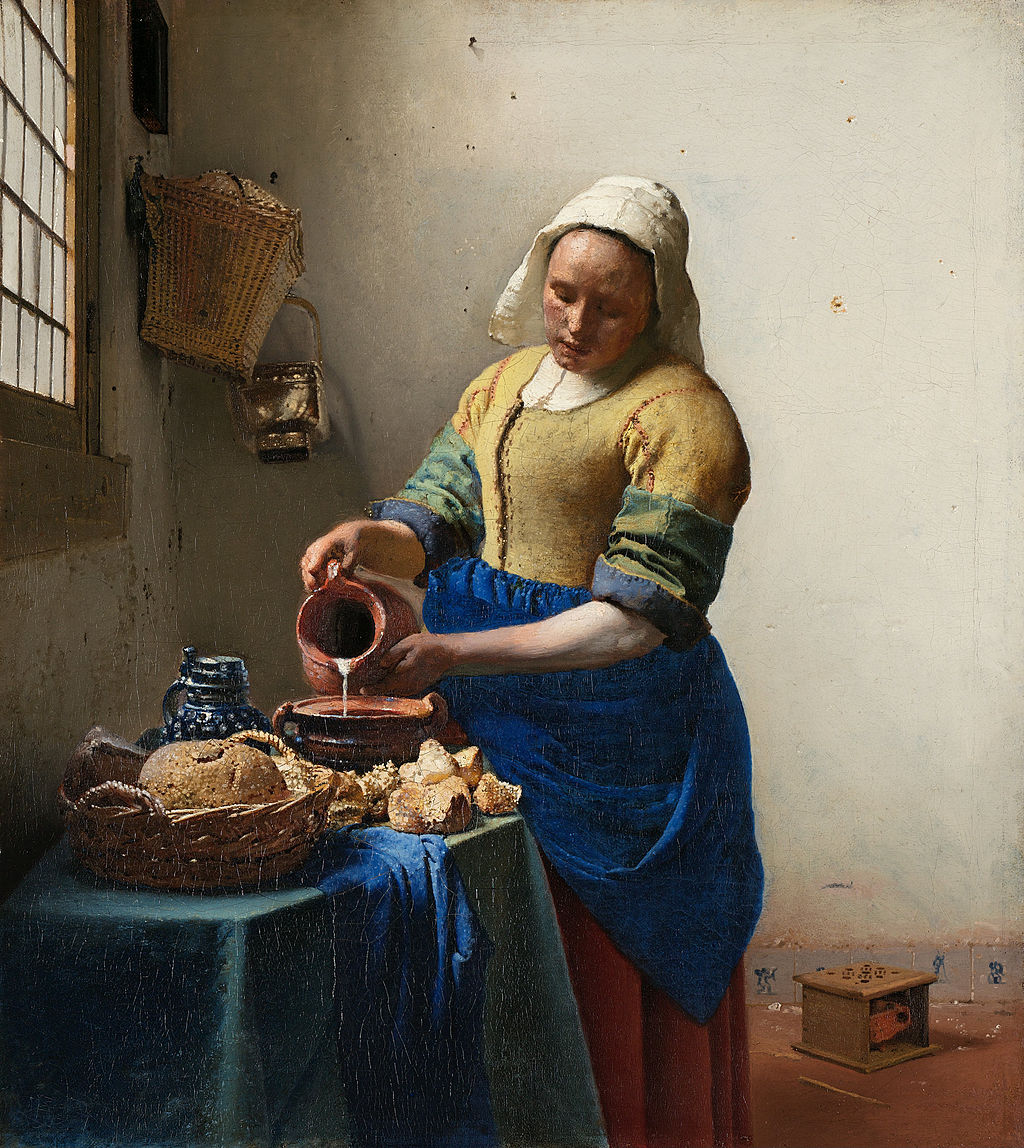
Johannes Vermeer (1632 – 1675) went way beyond getting the perspective right in his paintings. The man was a practically a human camera—painting the image he saw nearly perfectly on canvas as you can see in his painting, The Milkmaid (1658). How on earth did he do that?

1024px-Johannes_Vermeer_-_Het_melkmeisje_-_Google_Art_Project

Tim Jennison has figured out how Vermeer could have done it. I think that you will enjoy the 10-15 minutes you will spend reading this story. All I can say is that, no matter what, I’m impressed by both Vermeer and Tim Jennison.

Some artists might use the best technology available to them to help them in their art. And it’s good to be reminded that if they do use that technology (the way great artists in the past may have used the best technology of their day), it’s not cheating. That’s a happy thought in our very tech-heavy world.

Here’s a trailer for the documentary, produced by Penn and Teller, that shows Mr. Jennison’s journey. I’m definitely going to have to watch the film.


The wonderful wheel of color…

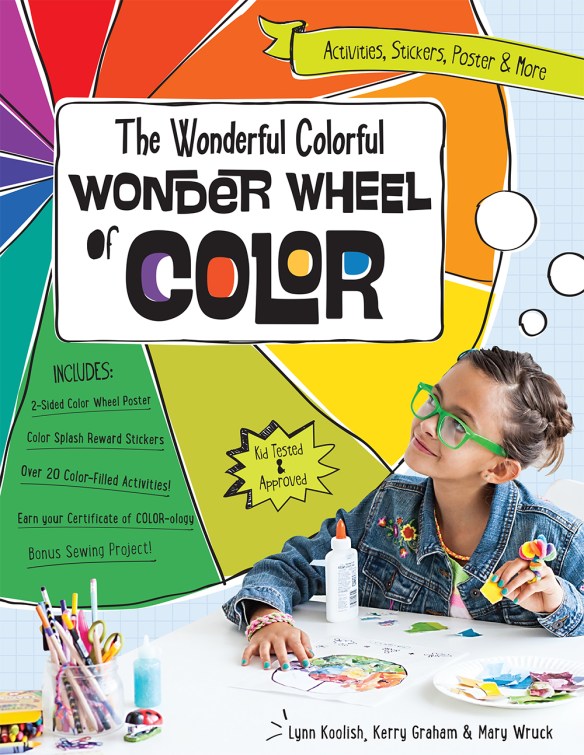
Three of my friends at C&T (Lynn Koolish, Kerry Graham, and Mary Wruck have written a book about color, and the ‘Wonderful Wheel Of Color’ for kids and I’ve gotta say that I am impressed! (FYI, you’ll find this book on my site here.)

WonderfulWheelOfColor-1000

First, the color information is written for kids but it is not dumbed down. The language is clear and written in a way that kids will relate to. Elanor is already looking forward to getting her hands on this book :-).

ColorBook-3

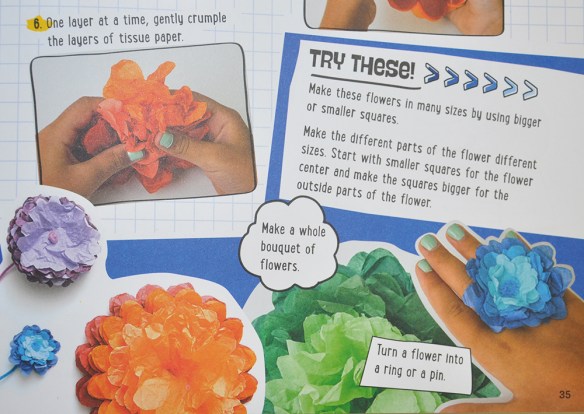
There are plenty of activities. Some are what you would expect in a book about a color wheel with color wheel patterns to paint, collages to make, and designs to color. But there is even more! There are projects perfect for kids, and maybe adults!

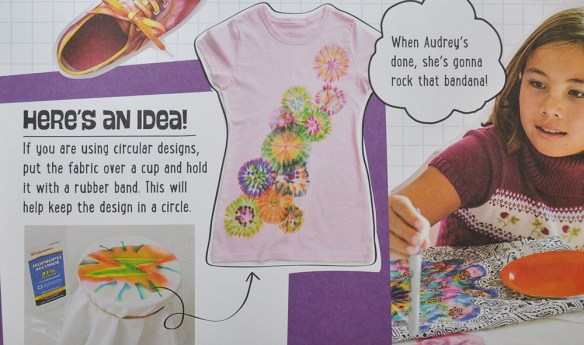
Elanor’s BFF, Lola, is coming to visit for 2 weeks this summer. They’ll be spending quite a bit of time at our house and I can see t-shirts…

ColorBook-2

…and paper flowers…

ColorBook-4

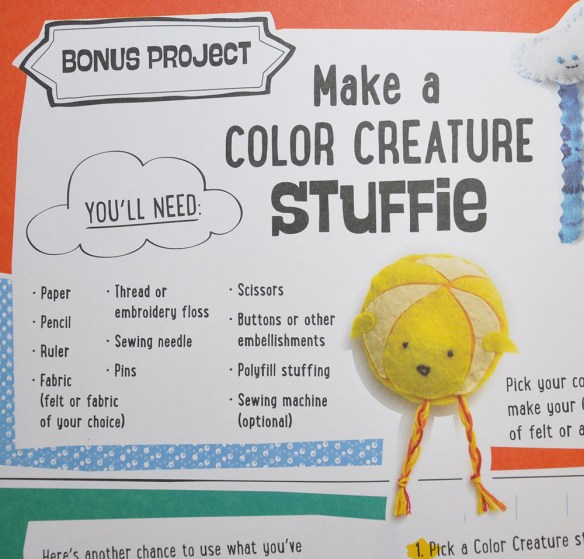
…and hand-sewn stuffies in our future!

ColorBook-5

This book is only $12.95! You can find it at pieceocake.com here.

Perspective…

While walking, I came upon this scene…

StripedStands-1

The way those striped things* are placed, each one farther away than the one before, so that your eye is drawn along them—into the distance. I liked the placement, and their orange stripey-ness, and the orange cones in the street. I took more than one picture.

In the next photo, because of where I am standing, those things* are lined up more precisely. You can put yourself where I am, looking down them.

StripedStands-2

This vantage point keeps the viewer on the left side of the image. It’s subtle, and it’s interesting. Scroll up to the first photo and you’ll see what I mean.

Why is this so? It’s because the line of those striped things* curves just a bit to the right in the first photo, which leads your eye toward the center of the frame. In the second photo, they are in a straighter line and the endpoint stays on the left side of the frame.

Most quilts, mine as well as those make by others, are designed in such a way as to keep the viewer centered. This makes me want to design a quilt (or quilts) that puts the viewer in a different place.

*What are those things called?!